Our forefathers passed the vast Atlantic, spent their blood and treasure, that they might enjoy their liberties, both civil and religious, and transmit them to their posterity ...
Now if we should give them up, can our children rise up and call us blessed?"
"And let me conjure you, in the name of our common Country, as you value your own sacred honor ...
to express your utmost horror and detestation of the Man who wishes ... to overturn the liberties of our Country, and who wickedly attempts to open the flood Gates of Civil discord, and deluge our rising Empire in Blood.
By thus determining ... you will defeat the insidious designs of our Enemies, who are compelled to resort from open force to secret Artifice.
You will give one more distinguished proof of unexampled patriotism and patient virtue ...
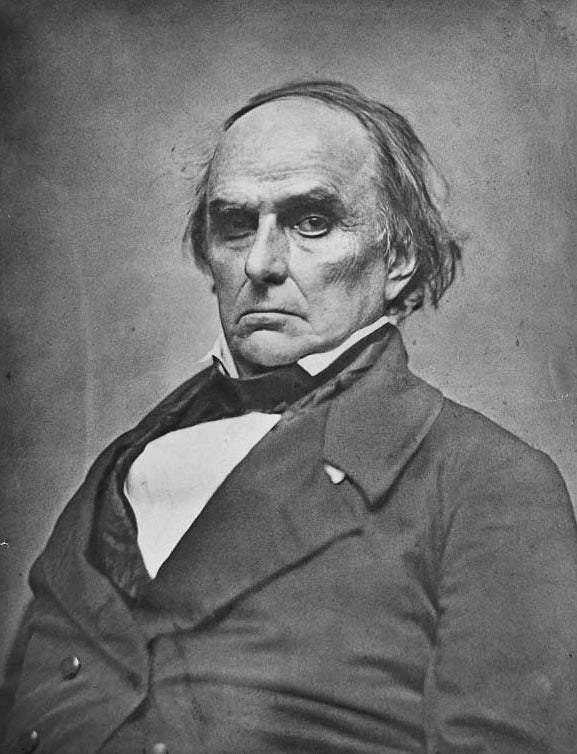
Daniel Webster warned of attacks on the Constitution: "Miracles do not cluster. That which has happened but once in six thousand years cannot be expected to happen often. Such a government, once gone, might leave a void, to be filled, for ages, with revolution and tumult, riot and despotism."
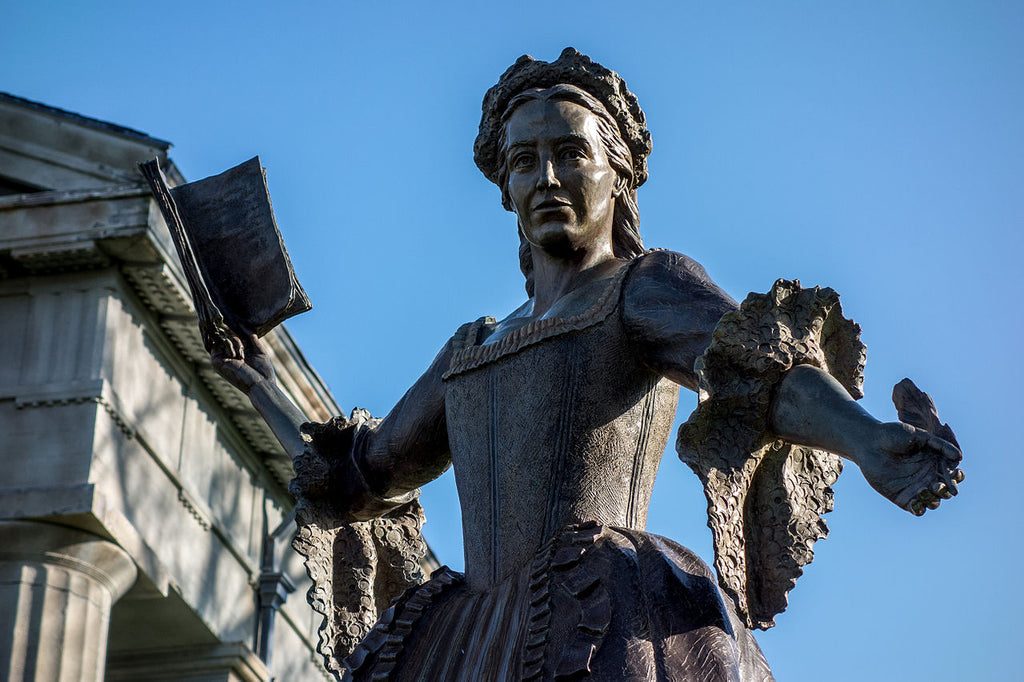
In Observations on the New Constitution, 1788, Mercy Otis Warren stated:
"Monarchy is ... by no means calculated for a nation that is ... tenacious of their liberty - animated with a disgust to tyranny - and inspired with the generous feeling of patriotism ...
The origin of all power is in the people, and they have an incontestable right to check the creatures of their own creation."
August 22, 1935, President Roosevelt greeted by telephone the Bi-Centennial Celebration of the first permanent settlement in Missouri:
"The history of the town of Sainte Genevieve eloquently testifies to the fortitude of those pioneers who built their homes on the western bank of the Mississippi ... We admire that Christian courage which refused to be daunted by Indian depredations and massacres