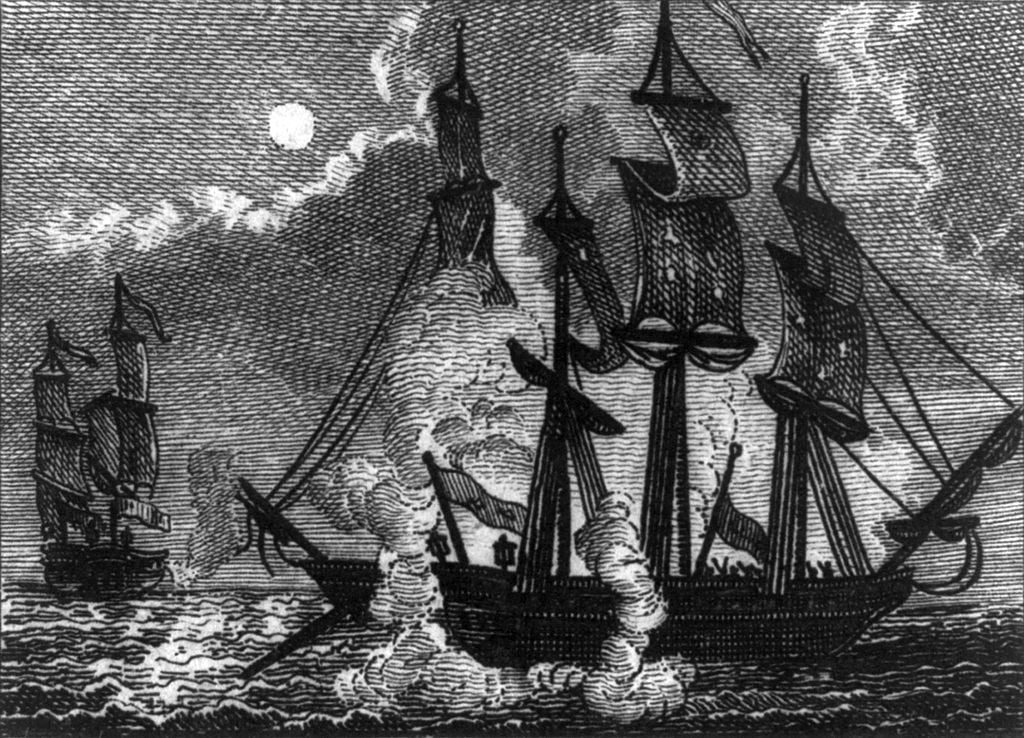
John Paul Jones had commanded the Continental Navy's first ship,Providence, in 1775. With 12 guns, it was the most victorious American vessel in the Revolution, capturing or sinking 40 British ships.
During this time after the Renaissance and Reformation, there was a "Hebrew Revival" among Protestant and Catholic scholars.They studied the ancient Israel, especially the first 400 year period in the Promised Land before Israel got its first king--Saul. Christian Hebraists studied: the self-governing ancient Hebrew republic; the Hebrew language; Jewish historian Josephus (37–100); the Jerusalem Talmud (2nd century AD); the Babylonian Talmud (4th century AD); Jewish philosopher Maimonides (1135–1204); and Rabbinic Leterature.
California was founded by churches and went on to become one of the most prosperous places on Earth. Then, California started closing down churches, restricting businesses, experiencing record numbers of people leaving, and has become the most in debt state in America.
Ataturk, Father of the modern Republic of Turkey, empowered the military to be custodians of maintaining a secular government, with responsibility to remove political leaders who drifted toward Islamist fundamentalism: "Mohammedanism was based on Arab nationalism above all nationalities ... The purpose of the religion founded by Muhammad, over all nations, was to drag (them into) Arab national politics ... (It) might have suited tribes in the desert. It is no good for a modern, progressive state."
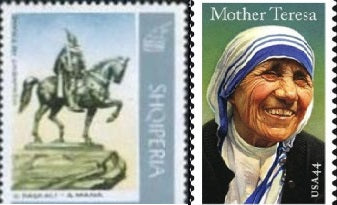
For 25 years, Skanderbeg struck fear into the heart of the Ottoman armies. His 10,000 braves soldiers, often outnumbered in battle, consistently won against larger and better supplied Turks.Considered a model of Christian resistance, when Skanderbeg died in1468, the Ottoman Sultan, Mehmed the Conqueror, exclaimed: "At last Europe and Asia are mine! Woe to Christendom! It has lost its sword and its shield."