Today's American Minute
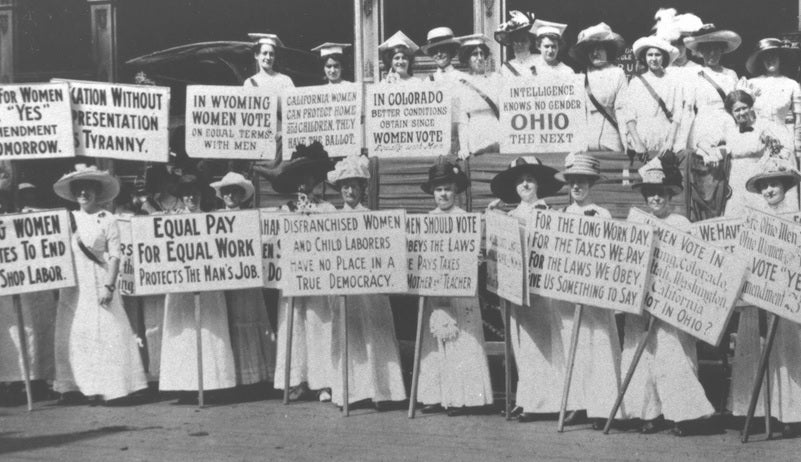
Women's Rights Champions: Suffragettes Susan B. Anthony, Lucretia Mott, Frances Willard, Emma Willard, and Elizabeth Cady Stanton - American Minute with Bill Federer
and Elizabeth Cady Stanton Emma Willard Frances Willard Lucretia Mott Women's Rights Champions: Suffragettes Susan B. Anthony
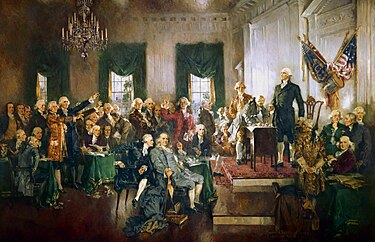
Was the U.S. Constitution ratified by "Christian" States? - American Minute with Bill Federer
Was the U.S. Constitution ratified by "Christian" States?
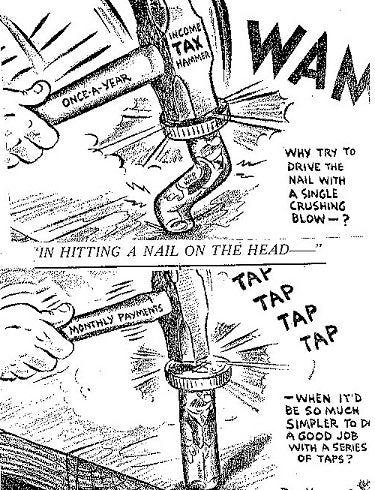
Withholding Taxes from Your Paycheck started as Emergency during WWII "People will willingly pay very high taxes during wartime" - American Minute with Bill Federer
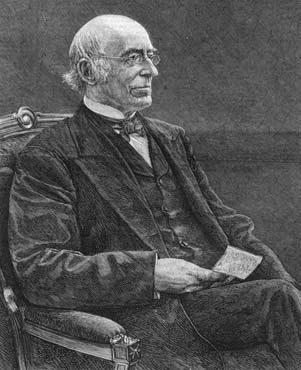
Abolitionist Poets: William Lloyd Garrison, Louisa May Alcott, Nathaniel Hawthorne, William Ellery Channing, Theodore Parker, Henry David Thoreau & Ralph Waldo Emerson - American Minute with Bill Federer
Abolitionist Poets: William Lloyd Garrison Henry David Thoreau & Ralph Waldo Emerson -- "America ... a last effort of divine Providence in behalf of the human race" Louisa May Alcott Nathaniel Hawthorne Theodore Parker William Ellery Channing
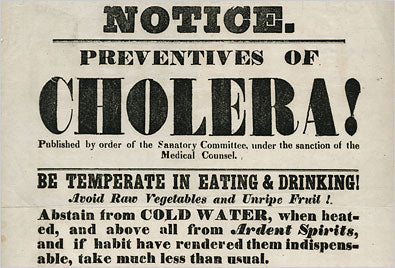
CHOLERA: Plague of 19th Century, First Global Epidemic; Day of Fasting proclaimed by President Taylor - American Minute with Bill Federer
CHOLERA: Plague of 19th Century First Global Epidemic; Day of Fasting proclaimed by President Taylor