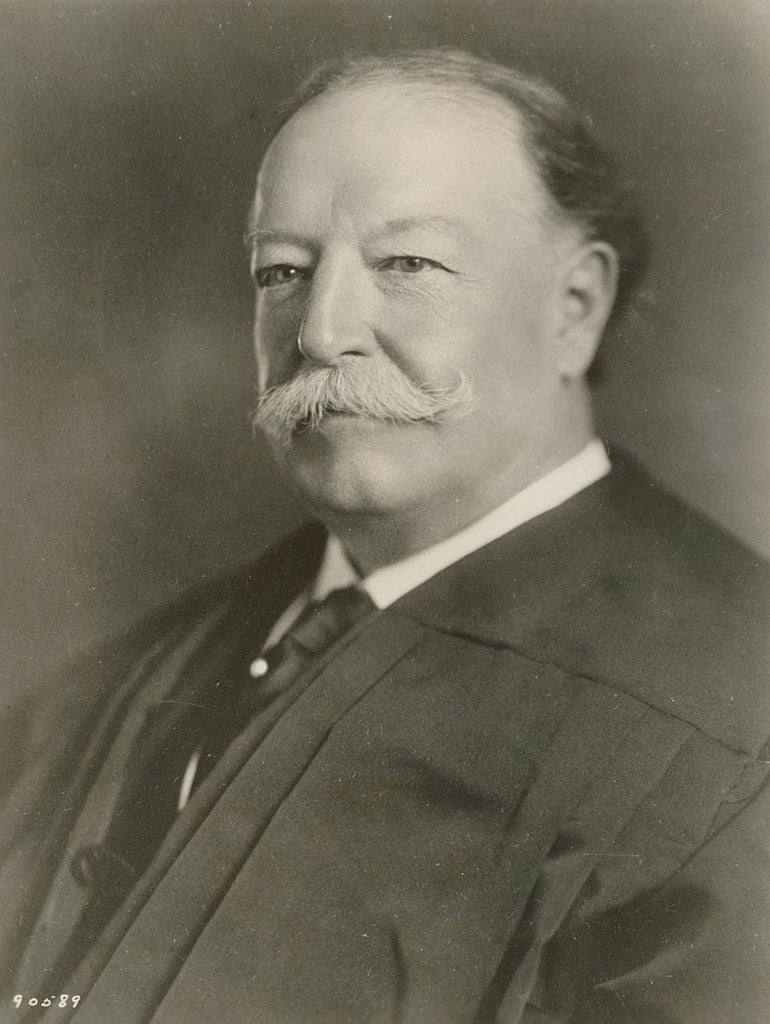
Henry Cabot Lodge, Chairman of the Senate Foreign Committee, spoke against joining the League of Nation, August 12, 1919: "The United States is the world's best hope ... Beware how you trifle with your marvelous inheritance; this great land of ordered liberty. For if we stumble and fall, freedom and CIVILIZATION everywhere will go down in ruin."
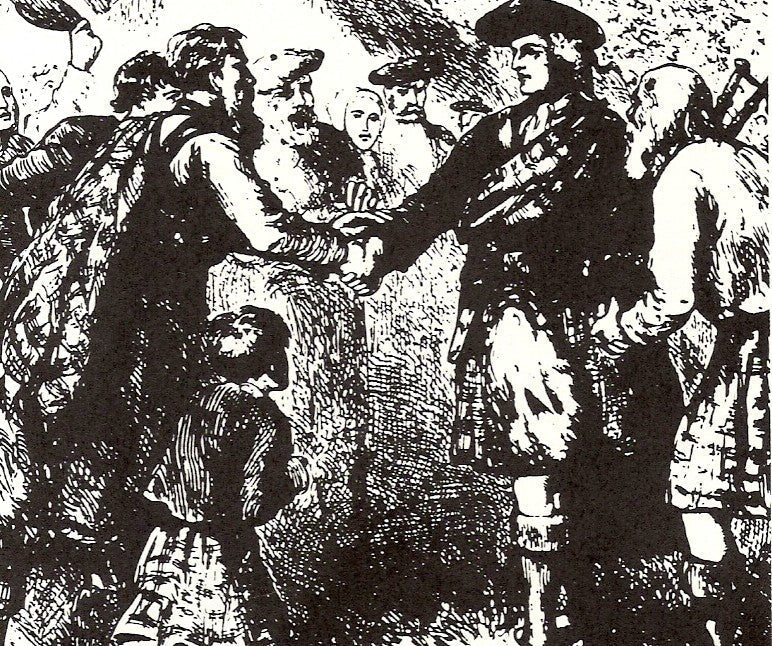
James Oglethorpe conceived of an idea for a colony in America where poor debtors and religious refugees could get a second chance. He named the colony "Georgia" after Britain's King George II.
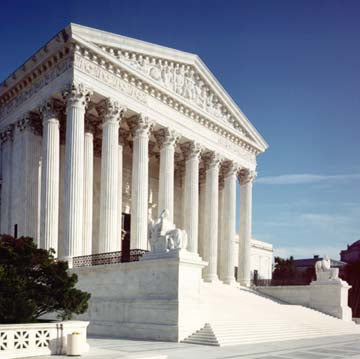
Judge Richard Suhrheinrich wrote in ACLU v Mercer County, 2006: "The ACLU makes repeated reference to 'the separation of church and state.' This extra-constitutionalconstruct has grown tiresome.
The First Amendment does not demand a wall of separation between church and state. Our nation's history is replete with governmental acknowledgment and in some cases, accommodation of religion."
The three eras of Masons could be identified as: First, Medieval stone workers who built defense works for kings; Second, revolutionary political dissidents who met in secret to plot against kings; Third, after France's Revolution, unspecified influences of French infidelity, Jacobins, and Illuminati, though not of cognizance to the general membership.
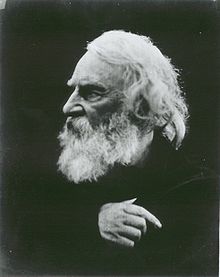
In 1842, Longfellow expressed his public support for abolishing slavery by publishing a collection, Poems on Slavery, which was reprinted by The New England Anti-Slavery Association.