Today's American Minute
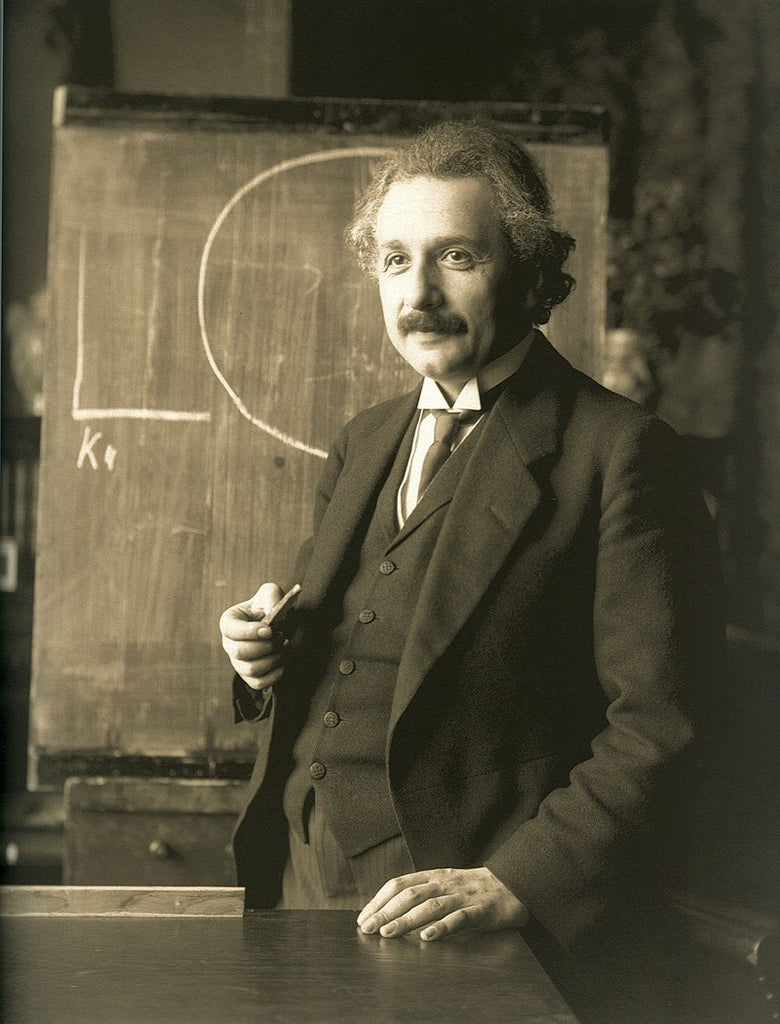
Albert Einstein "I observe the Laws of Nature ... There are not Laws without a Lawgiver" - American Minute with Bill Federer
Albert Einstein "I observe the Laws of Nature ... There are not Laws without a Lawgiver"
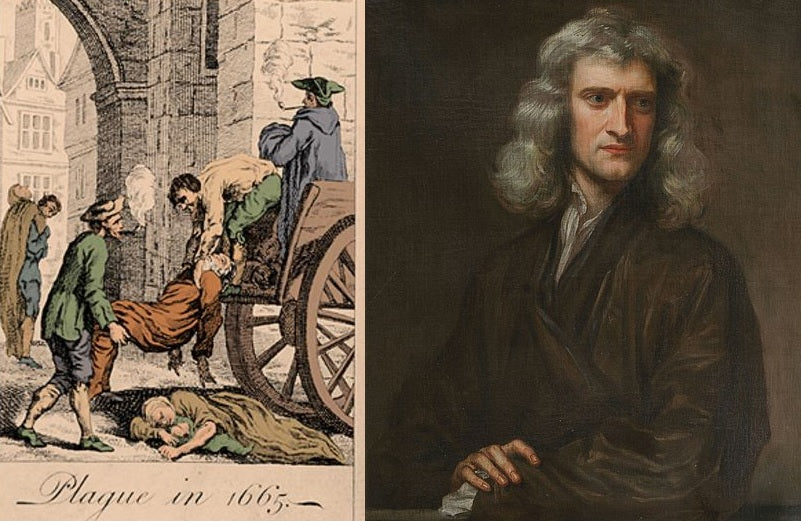
The Great Plague of London & The Great Scientist Sir Isaac Newton - American Minute with Bill Federer
The Great Plague of London & The Great Scientist Sir Isaac Newto
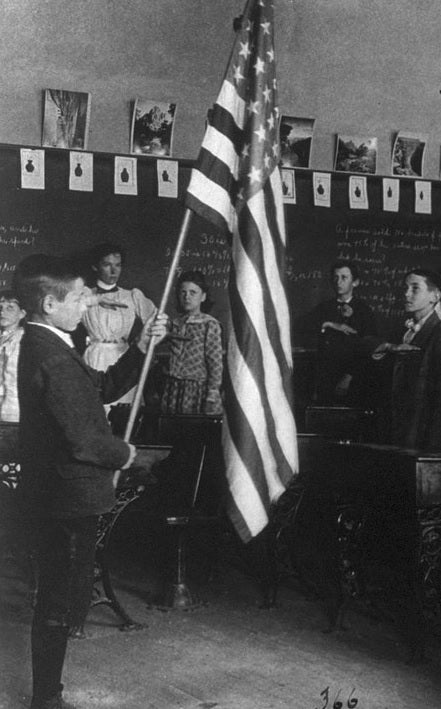
War on Prayer by Atheists, Socialists & Communist: "Eliminate prayer in the schools ... Control schools ... as transmission belts for socialism and communist propaganda" - American Minute with Bill Federer
Socialists & Communist: "Eliminate prayer in the schools ... Control schools ... as transmission belts for socialism and communist propaganda" War on Prayer by Atheists
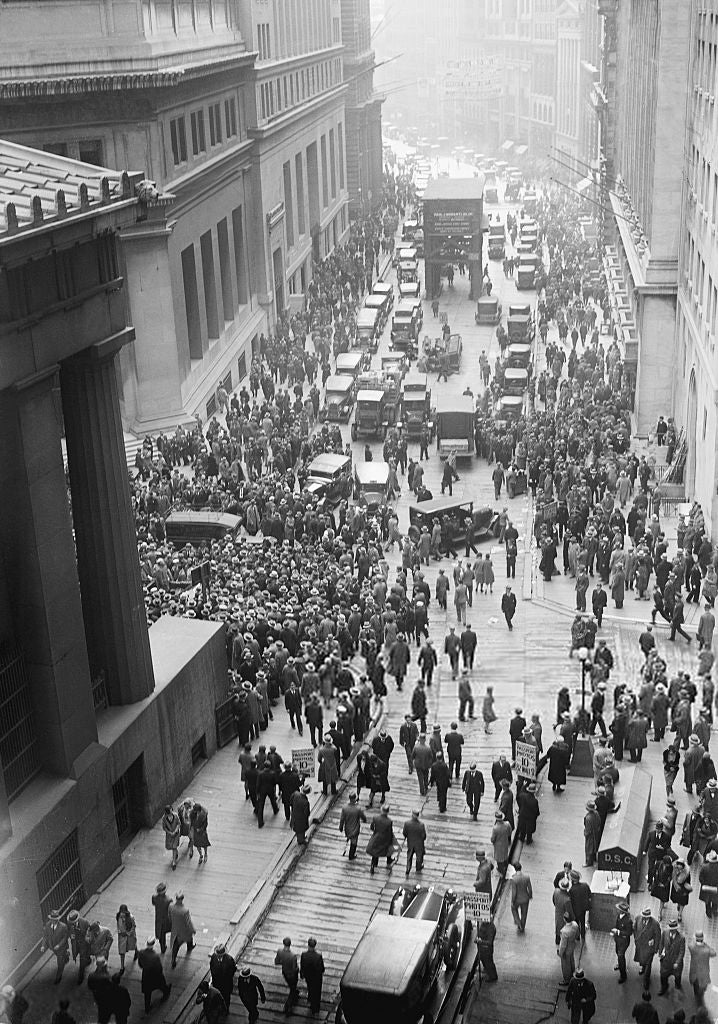
Bank Run & Stock Market Crash 1929 & Dangerous Policies of Government Intervention - American Minute with Bill Federer
Stock Market Crash 1929 & Dangerous Policy of Government Intervention
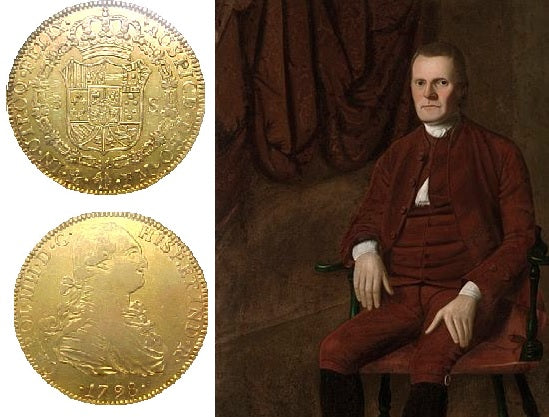
Roger Sherman, and the importance of Gold & Silver - American Minute with Bill Federer