Today's American Minute
Government enacted Intolerable Acts to coerce public into submission; Local communities pushed back with "resolves" led by Dr. Joseph Warren - American Minute with Bill Federer
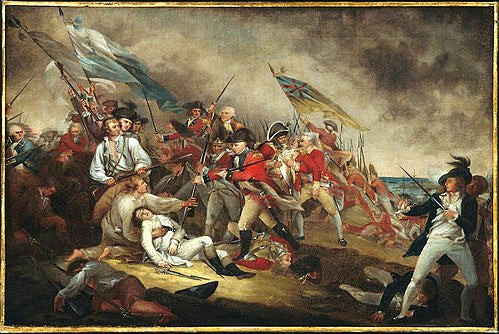
Boston's Harbor Blockaded, Virginia's Day of Fasting, & the "shot heard round the world" - American Minute with Bill Federer
& the "shot heard round the world" Boston's Harbor Blockaded Virginia's Day of Fasting
Henry Knox moved cannons from Fort Ticonderoga to Dorchester Heights in "one of the most stupendous feats of logistics" - American Minute with Bill Federer
Right of "the PEOPLE" to Keep & Bear Arms - Inspired by Ancient Israel: "To make yourself powerless is to invite an attack!" - American Minute with Bill Federer
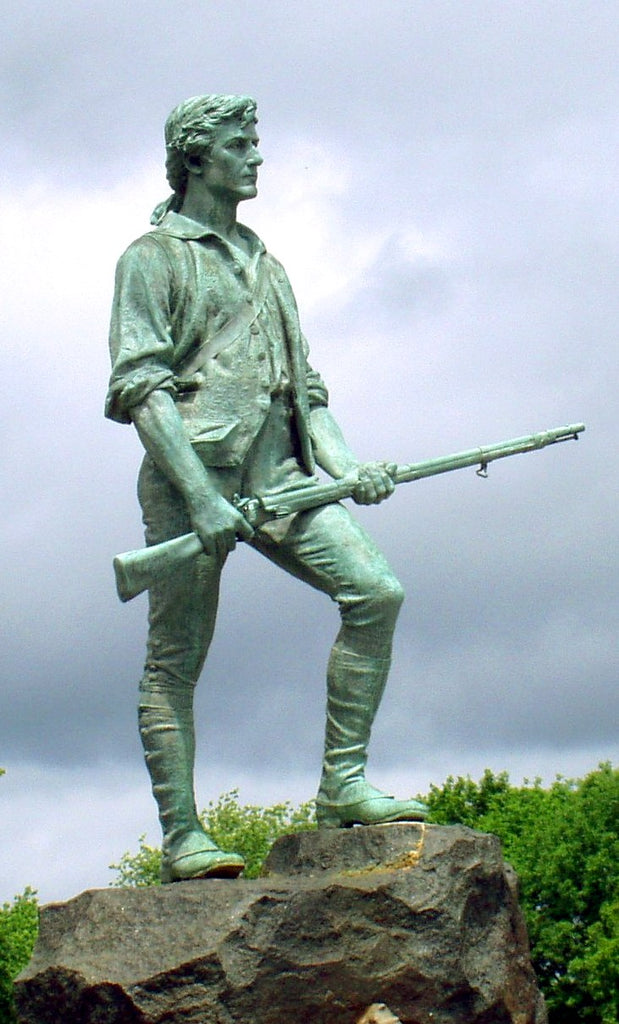
Denver University Law Review, July15, 2013 published an article "Ancient Hebrew Militia Law," by David B.Kopel, in which he wrote: "New Englanders intensely self-identified with ancient Israel ... Every male 'from the age of twenty years up, all those in Israel who are able to bear arms' ... were obliged to fight, to go forth 'armed to battle' ... Israel relied on a militia, in which citizen soldiers would spend most of their time cultivating their farms, or engaged in other economic production, and would fight only for limited periods (ideally, after the harvest), and only when necessary ... Similarly, during the American Revolution, most men served in their state militias."
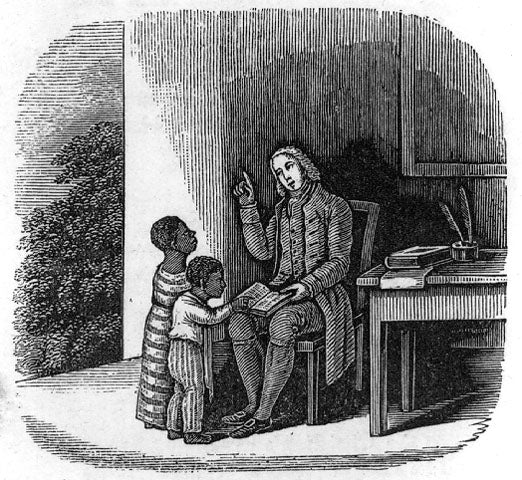
Christians pioneered Anti-Slavery Movement: Quaker Anthony Benezet to JQA to Republican Senator Charles Sumner - American Minute with Bill Federer